
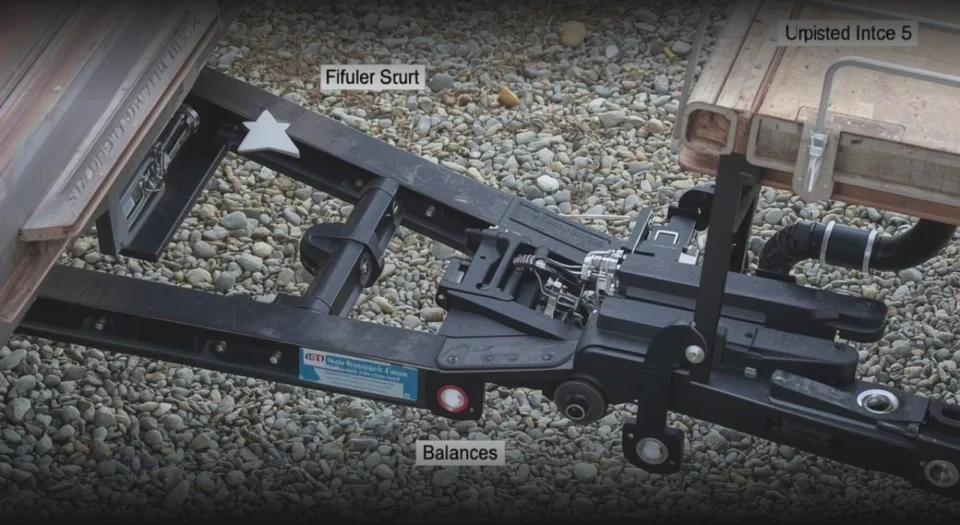
Towing a trailer can be an enjoyable experience, whether you’re hauling a small camper, utility trailer, or equipment for a weekend adventure. However, towing also introduces challenges, especially when it comes to stability, braking, and vehicle control. One common solution that many towing enthusiasts consider is a weight-distribution (WD) hitch. But the question remains: is upgrading to a weight-distribution hitch really worth it? Let’s break down the benefits, costs, and situations where this upgrade makes sense.
What Is a Weight-Distribution Hitch?
A weight-distribution hitch is a kind of trailer hitch designed to evenly distribute the trailer’s tongue weight across the tow vehicle and trailer axles. Standard hitches put most of the tongue weight on the rear of the towing vehicle, which can cause the rear to sag, the front wheels to lift slightly, and uneven braking.
A WD hitch uses spring bars to shift some of the trailer’s weight toward the front wheels of the towing vehicle and toward the trailer’s axles. The result is improved balance, better steering, and enhanced braking control.
The Main Benefits of a Weight-Distribution Hitch
1. Improved Stability
One of the biggest advantages of a WD hitch is reduced trailer sway. When weight is unevenly distributed, the trailer can start to sway side-to-side, especially at higher speeds or in windy conditions. By leveling the vehicle and trailer, a WD hitch helps the setup remain stable, making highway driving safer and more comfortable.
2. Better Steering and Braking
A trailer’s tongue weight pressing heavily on the rear of a vehicle can reduce front-wheel traction, impacting steering and braking. A WD hitch redistributes weight, allowing the front wheels to maintain better contact with the road. This leads to more responsive steering and shorter stopping distances, especially in emergency situations.
3. Reduces Vehicle and Trailer Wear
Towing with uneven weight can strain your suspension, tires, and frame over time. By leveling the load, a WD hitch reduces wear on the tow vehicle and trailer, potentially extending their lifespan and reducing maintenance costs.
4. Allows for Heavier Loads Within Towing Capacity
Some towing setups are limited by tongue weight rather than overall trailer weight. A WD hitch can help you safely tow trailers that are closer to your vehicle’s maximum rated capacity without overloading the rear axle.
When a Weight-Distribution Hitch May Not Be Necessary
Not every towing situation requires a weight-distribution hitch. In some cases, a standard hitch may suffice:
- Light trailers: If your trailer weighs less than about 1,500–2,000 pounds and the tongue weight is low, your vehicle may tow it safely without a WD hitch.
- Short towing distances: Occasional trips at low speeds, such as hauling a small utility trailer across town, may not require the extra stability a WD hitch provides.
- Vehicle already equipped for heavy loads: Some trucks and SUVs have heavy-duty suspensions designed to handle higher tongue weight without additional support.
In these cases, the cost and installation effort of a WD hitch might not be justified.
Cost Considerations
Upgrading to a weight-distribution hitch involves several costs:
- Hitch price: WD hitches typically range from $250 to $600, depending on weight capacity and brand.
- Installation: While some experienced users can install a WD hitch themselves, professional installation is often recommended, which can add $100–$200.
- Accessories: Anti-sway bars or additional hardware may be needed for optimal performance.
While the upfront cost can seem high, many towing enthusiasts consider it a worthwhile investment for safety, peace of mind, and long-term vehicle protection.
Signs You Might Need a Weight-Distribution Hitch
Even if your trailer is within your vehicle’s towing capacity, certain symptoms indicate that a WD hitch could improve your towing experience:
- Rear of the vehicle sags noticeably when the trailer is attached
- Front wheels lift slightly, reducing steering control
- Frequent trailer sway, especially at highway speeds
- Uneven braking or difficulty stopping safely with the trailer
- Excessive strain on the rear suspension
- If you notice any of these issues, upgrading to a weight-distribution hitch can significantly improve handling and safety.
Tips for Choosing the Right Weight-Distribution Hitch
When selecting a WD hitch, keep the following in mind:
- Match weight ratings: Ensure the hitch can handle your trailer’s gross trailer weight (GTW) and tongue weight.
- Consider anti-sway features: Many WD hitches include integrated sway control, which adds stability on windy roads.
- Ease of adjustment: Choose a hitch that is simple to adjust when loading or unloading the trailer.
- Vehicle compatibility: Verify that the hitch is compatible with your vehicle’s make, model, and suspension setup.
Proper setup and adjustment are crucial for optimal performance. Follow the manufacturer’s instructions closely and regularly check all connections.
Final Verdict: Is It Worth Upgrading?
For many towing enthusiasts, a weight-distribution hitch is definitely worth it. It enhances safety, stability, and control, reduces vehicle wear, and allows for a more comfortable towing experience—especially with larger trailers or longer trips.
However, if you only tow small trailers occasionally, the added cost and setup might not be necessary. Ultimately, the decision comes down to your towing needs, trailer weight, and how often you tow.
Investing in a WD hitch is less about luxury and more about safety, control, and peace of mind on the road. For those who tow frequently, tackle long trips, or carry heavier trailers, it’s a wise and practical upgrade.
Conclusion
Upgrading to a weight-distribution hitch isn’t required for every towing setup, but it can make a significant difference in safety, vehicle handling, and long-term wear. By evaluating your towing frequency, trailer weight, and driving conditions, you can determine whether this investment is worthwhile for your situation. For frequent or heavy towing, the answer is often a resounding yes—your vehicle, trailer, and passengers will thank you.
